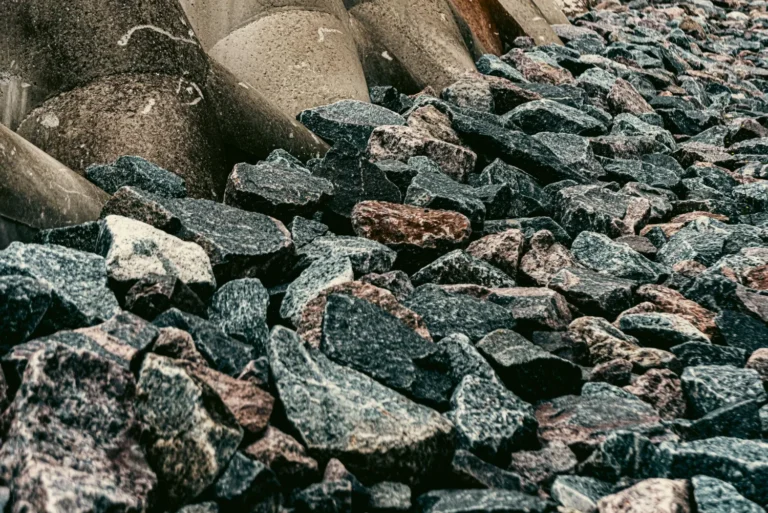
Rock Splitting

Rock Splitting Service Overview
Rock splitting is a controlled, non-explosive method used to break large rocks, boulders, and concrete masses into smaller, manageable pieces. It is widely used in construction, mining, quarrying, and demolition projects where precision and safety are essential.
Unlike blasting, rock splitting produces minimal vibration, noise, and dust, making it suitable for use in urban areas, confined spaces, and sensitive environments. This service offers an efficient and environmentally responsible solution for rock removal and size reduction.
What Is Rock Splitting?
Rock splitting is a mechanical or hydraulic process that fractures rock along predetermined lines.
It involves drilling holes into the rock and inserting specialized splitting tools that apply controlled outward pressure. This pressure causes the rock to crack cleanly and predictably, allowing it to be removed or further processed.
How the Process Works
The process begins with drilling a series of holes into the rock at carefully calculated intervals and depths. Splitting wedges or hydraulic splitters are then inserted into these holes. When pressure is applied, the tools expand, generating tensile stress within the rock.
This stress exceeds the rock’s natural strength, causing it to fracture along the desired line. The resulting pieces can then be lifted, transported, or crushed for disposal or reuse.
Types of Rock Splitting Methods
Different rock splitting techniques are used depending on rock hardness, project scale, and site conditions.
Wedge and Feather Method
This traditional method uses pairs of metal wedges and feathers inserted into drilled holes. As the wedges are driven in, they exert outward pressure, causing the rock to split. It is commonly used for smaller projects and precise stone cutting.
Hydraulic Rock Splitting
Hydraulic splitters use high-pressure hydraulic force to expand a splitting head inside the drilled hole. This method provides greater power and control, making it suitable for hard rock and large-scale applications.
Chemical Rock Splitting
In this method, an expansive chemical agent is poured into drilled holes. As it reacts and expands, it generates pressure that cracks the rock. This technique is used where mechanical or hydraulic methods are impractical.
Applications of Rock Splitting
Rock splitting is used across a wide range of construction and industrial projects.
Foundation and Excavation Work
During building construction, rock splitting is used to remove bedrock and large boulders that obstruct foundation excavation. It allows precise removal without damaging nearby structures.
Quarrying and Stone Extraction
Rock splitting is used to extract large stone blocks from quarries. It provides clean cuts and reduces waste compared to blasting.
Demolition and Concrete Removal
In demolition projects, rock splitting is used to break reinforced concrete structures and massive foundations into smaller pieces for removal and recycling.
Tunnel and Underground Projects
Rock splitting is applied in tunneling and underground construction, where controlled rock removal is required to maintain stability and safety.
Landscaping and Site Preparation
Large rocks and boulders encountered during landscaping or site grading can be split and removed efficiently without heavy blasting equipment.
Benefits of Rock Splitting
Rock splitting offers several advantages over traditional blasting and demolition methods.
Precision and Control
Rock splitting allows for highly accurate fracture lines, minimizing unwanted damage to surrounding materials and structures.
Low Vibration and Noise
Because it does not involve explosives, rock splitting produces minimal vibration and noise. This makes it ideal for urban and residential areas.
Enhanced Safety
The controlled nature of rock splitting reduces the risk of flying debris and structural damage, creating a safer work environment.
Environmentally Friendly Approach
Rock splitting generates less dust and noise pollution and avoids the use of hazardous explosives or chemicals.
Cost Efficiency
By reducing the need for extensive protective measures and minimizing waste, rock splitting lowers overall project costs.
Equipment Used in Rock Splitting
Specialized tools and machinery are used to achieve effective and consistent results.
Drilling Equipment
High-powered drills are used to create holes of precise diameter and depth. The accuracy of drilling directly affects the quality of the split.
Splitting Tools and Wedges
These tools apply outward force inside the drilled holes. They are available in different sizes and strengths depending on rock hardness and hole dimensions.
Hydraulic Power Units
In hydraulic splitting systems, power units generate the pressure required to expand the splitter head and fracture the rock.
Safety Considerations in Rock Splitting
Safety is a key priority in all rock splitting operations.
Site Inspection and Planning
Before starting, the site is inspected for underground utilities, structural elements, and potential hazards. Proper planning ensures safe and efficient execution.
Operator Training and Skill
Skilled operators understand drilling patterns, tool placement, and pressure control. Their expertise ensures clean splits and prevents equipment damage.
Personal Protective Equipment
Workers must wear safety helmets, gloves, eye protection, and steel-toe boots. Hearing protection may also be required in high-noise environments.
Quality Control and Finishing
Maintaining quality standards ensures effective and predictable rock removal.
Monitoring Crack Formation
During splitting, operators monitor crack development to ensure fractures follow the intended line. Adjustments are made if deviations occur.
Secondary Splitting and Trimming
Large fragments may require additional splitting or trimming to achieve the desired size for handling or disposal.
Site Cleanup and Material Handling
After splitting, debris is removed, and reusable stone or concrete is sorted for recycling or further processing.