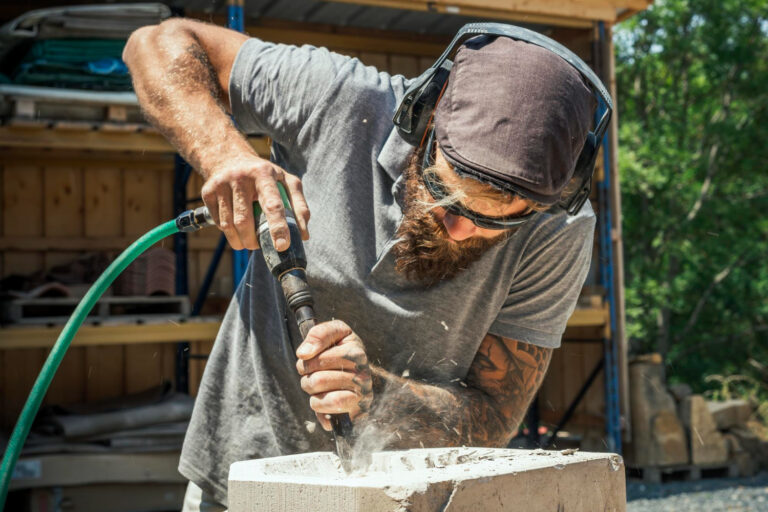
Concrete Milling

Concrete Milling Service Overview
Concrete milling is a specialized surface preparation and material removal process used to restore, level, or modify concrete surfaces. It involves the use of heavy-duty milling machines equipped with rotating drums fitted with carbide or diamond-tipped teeth.
These machines grind and remove precise layers of concrete, creating a smoother, more even, and structurally sound surface. Concrete milling is widely used in construction, renovation, and infrastructure maintenance projects where accuracy, efficiency, and durability are essential.
What Is Concrete Milling?
Concrete milling refers to the controlled mechanical removal of concrete to achieve a desired depth, profile, or surface condition. Unlike general demolition, milling allows for precision work, enabling operators to remove only damaged or excess layers without affecting the underlying structure.
This makes it an ideal solution for surface rehabilitation, floor leveling, joint repair, and preparing concrete for overlays or coatings.
How the Process Works
The milling process begins with an assessment of the surface condition and the required depth of removal. A milling machine is then set to the desired cutting depth.
As the rotating drum moves across the concrete surface, it grinds away material in a consistent and controlled manner. The removed concrete is collected or vacuumed, keeping the worksite clean and reducing dust and debris.
Applications of Concrete Milling
Concrete milling is a versatile service used across a wide range of industries and project types.
Surface Leveling and Smoothing
One of the most common uses of concrete milling is to level uneven or damaged surfaces. Over time, concrete floors and pavements may develop cracks, bumps, or depressions. Milling helps restore flatness, improving both appearance and safety.
Road and Pavement Rehabilitation
In road maintenance and repair projects, concrete milling is used to remove worn or damaged surface layers. This creates a clean, stable base for resurfacing, extending the life of roads and reducing long-term maintenance costs.
Floor Preparation for Coatings and Overlays
Before applying epoxy coatings, tiles, or new concrete overlays, surfaces must be properly prepared. Concrete milling creates a textured and clean surface that enhances bonding and ensures long-lasting results.
Joint and Crack Repair
Concrete milling can be used to widen or clean joints and cracks prior to repair. This ensures that fillers and sealants penetrate properly and adhere securely.
Benefits of Concrete Milling
Concrete milling offers numerous advantages over traditional concrete removal or surface preparation methods.
Precision and Control
One of the greatest benefits is the high level of accuracy it provides. Operators can control the depth and width of material removal, making it possible to address only the affected areas without unnecessary damage.
Cost Efficiency
By removing only the required amount of concrete, milling reduces material waste and labor costs. It also minimizes the need for full slab replacement, making it a more economical solution for repairs and renovations.
Time Savings
Concrete milling is faster than many alternative surface preparation methods. The use of advanced machinery allows large areas to be processed quickly, helping projects stay on schedule.
Environmentally Friendly Approach
Because milling reuses existing concrete structures rather than replacing them, it reduces construction waste and the need for new raw materials. Dust control systems further enhance environmental safety.
Equipment Used in Concrete Milling
Specialized machinery is required to achieve accurate and consistent results.
Milling Machines
These machines vary in size from small walk-behind units for indoor or limited-access areas to large ride-on machines for extensive outdoor projects. They are equipped with rotating drums fitted with cutting tools designed for different surface conditions.
Cutting Tools and Drums
The cutting tools used in milling drums are typically made of carbide or diamond. These materials provide durability and efficiency when grinding hard concrete surfaces. The type of drum and tool configuration depends on the desired finish and depth of cut.
Dust Control Systems
Modern milling machines are often fitted with integrated vacuum systems that collect dust and debris. This improves visibility, enhances worker safety, and keeps the surrounding area clean.
Safety Considerations in Concrete Milling
Safety is a critical aspect of any concrete milling operation.
Operator Training and Expertise
Proper training ensures that operators understand how to control machinery, adjust cutting depths, and handle unexpected surface conditions. Skilled operators also minimize the risk of structural damage.
Personal Protective Equipment
Workers must wear protective gear such as helmets, gloves, safety goggles, and respiratory masks. This protects them from dust, noise, and flying debris.
Site Preparation and Inspection
Before milling begins, the site should be inspected for embedded utilities, reinforcement bars, or other hidden hazards. Proper planning helps prevent equipment damage and accidents.
Quality Control and Finishing
Maintaining high-quality standards is essential to achieving durable and visually appealing results.
Surface Inspection
After milling, the surface is carefully inspected to ensure that the required depth and profile have been achieved. Any uneven areas are corrected through additional passes.
Edge and Detail Work
Corners, edges, and confined spaces often require manual finishing or smaller tools to achieve uniform results. This ensures consistency across the entire surface.
Final Cleaning
The final step involves removing residual dust and debris. A clean surface is essential for subsequent construction or finishing processes.
Choosing a Concrete Milling Service
Selecting a reliable concrete milling service ensures the success of a project.
Experience and Expertise
A service provider with proven experience and skilled operators can deliver accurate results while maintaining safety and efficiency.
Modern Equipment
Using up-to-date machinery improves performance, reduces downtime, and enhances the quality of the finished surface.
Compliance with Safety Standards
A reputable service follows established safety protocols and environmental regulations, ensuring responsible and risk-free operations.